Advertisement

The Role of Machine Learning in Investment Strategies
By Juliana Daniel / Mar 17, 2026

Top Lesbian Travel Destinations
By Juliana Daniel / Mar 18, 2026

How to Invest in Education and E-Learning Companies
By Juliana Daniel / Jan 21, 2026
How to Invest in Consumer Staples for Stability
By Juliana Daniel / Feb 28, 2026

The Role of Patience in Achieving Investment Goals
By Juliana Daniel / Jan 14, 2026

The Impact of Inflation on Bonds and Other Fixed-Income Assets
By Rick Novak / Jan 29, 2026
Advertisement
How to Invest in Consumer Staples for Stability
Feb 28, 2026 By Juliana Daniel
Understanding Consumer Staples: A Safe Haven in Volatile Markets
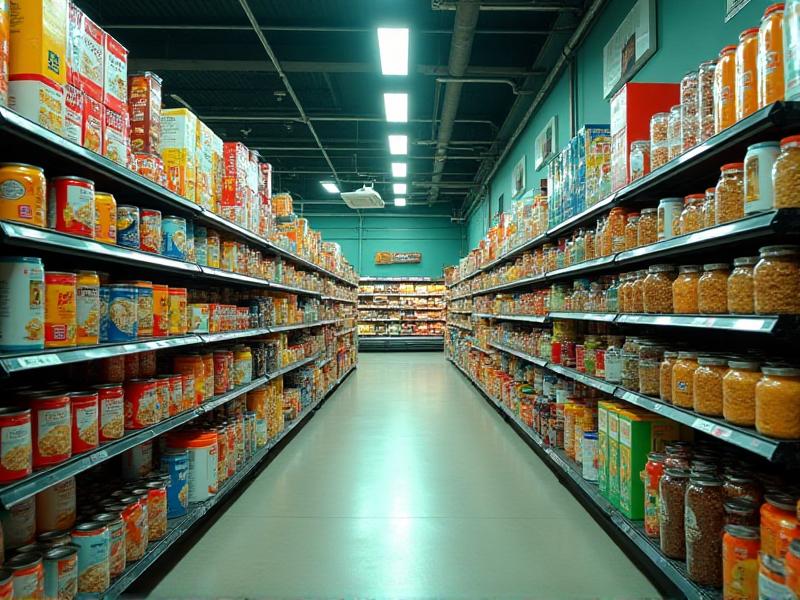
Consumer staples are essential products that people use daily, regardless of economic conditions. These include items like food, beverages, household goods, and personal care products. Unlike luxury items, consumer staples are non-cyclical, meaning demand remains relatively stable even during economic downturns. This stability makes them an attractive investment option for those seeking to mitigate risk in volatile markets.
Investing in consumer staples can provide a defensive strategy for your portfolio. When the economy falters, companies in this sector often outperform others because consumers continue to purchase necessities. For example, during the 2008 financial crisis, many consumer staples companies saw their stock prices hold steady or even increase, while other sectors experienced significant declines.
Moreover, consumer staples companies often have strong brand recognition and loyal customer bases. This allows them to maintain pricing power and generate consistent revenue streams. Additionally, many of these companies pay dividends, providing investors with a steady income. For long-term investors, consumer staples can offer both stability and growth potential.
Why Consumer Staples Offer Stability During Economic Uncertainty
Economic uncertainty can wreak havoc on financial markets, causing investors to seek safer havens for their money. Consumer staples are often considered a "safe bet" during such times because they are less sensitive to economic cycles. Whether the economy is booming or in recession, people still need to buy groceries, toiletries, and other everyday essentials.
This inherent stability is rooted in the inelastic demand for consumer staples. Inelastic demand means that the quantity demanded does not change significantly with price fluctuations. For example, if the price of bread increases, consumers are unlikely to stop buying it altogether. This predictability allows consumer staples companies to maintain steady revenues, even in challenging economic conditions.
Furthermore, consumer staples companies often have global operations, which can help diversify risk. For instance, a company that sells its products in multiple countries is less vulnerable to economic downturns in any single region. This global presence, combined with the consistent demand for their products, makes consumer staples a resilient investment choice during periods of economic uncertainty.
Key Characteristics of Consumer Staples Companies
Consumer staples companies share several key characteristics that make them attractive to investors. First and foremost, they operate in industries with high barriers to entry. This means that new competitors find it difficult to enter the market, allowing established companies to maintain their market share and pricing power.
Another important characteristic is their ability to generate consistent cash flow. Because consumer staples are essential products, companies in this sector often enjoy steady demand, which translates into reliable revenue streams. This consistency enables them to invest in innovation, expand their product lines, and return value to shareholders through dividends and share buybacks.
Additionally, consumer staples companies tend to have strong brand loyalty. Brands like Procter & Gamble, Coca-Cola, and Unilever have built trust with consumers over decades, making it challenging for new entrants to compete. This brand equity not only drives sales but also provides a cushion during economic downturns, as consumers are more likely to stick with familiar brands.
How to Identify the Best Consumer Staples Stocks
Identifying the best consumer staples stocks requires a combination of fundamental analysis and market research. Start by looking at the company's financial health. Key metrics to consider include revenue growth, profit margins, and debt levels. A company with strong financials is better positioned to weather economic downturns and deliver consistent returns to investors.
Next, evaluate the company's competitive position within the industry. Look for companies with strong brand recognition, a diverse product portfolio, and a global presence. These factors can provide a competitive edge and help sustain long-term growth. Additionally, consider the company's dividend history. Consumer staples companies with a track record of paying and increasing dividends are often more attractive to income-focused investors.
It's also important to assess the company's ability to adapt to changing consumer preferences. For example, as consumers increasingly prioritize health and sustainability, companies that offer organic or eco-friendly products may have a competitive advantage. Finally, consider the stock's valuation. While consumer staples stocks are generally considered safe investments, it's still important to ensure you're not overpaying for the stock. Use valuation metrics like the price-to-earnings (P/E) ratio to gauge whether the stock is fairly priced.
Diversifying Your Portfolio with Consumer Staples
Diversification is a cornerstone of sound investment strategy, and consumer staples can play a crucial role in achieving a balanced portfolio. By including consumer staples stocks, you can reduce overall portfolio risk, as these stocks tend to be less volatile than those in other sectors. This is particularly important for investors who are nearing retirement or those who prefer a more conservative approach.
When diversifying with consumer staples, consider including a mix of large-cap and mid-cap companies. Large-cap companies like Nestlé and PepsiCo offer stability and consistent dividends, while mid-cap companies may provide higher growth potential. Additionally, consider geographic diversification. Investing in consumer staples companies with global operations can help mitigate risks associated with regional economic downturns.
It's also worth exploring exchange-traded funds (ETFs) that focus on consumer staples. These funds offer exposure to a diversified basket of consumer staples stocks, reducing the risk associated with individual stock selection. ETFs can be an efficient way to gain exposure to the sector, especially for investors who prefer a hands-off approach.
The Role of Dividends in Consumer Staples Investments
Dividends are a key attraction for many investors in the consumer staples sector. Companies in this sector are known for their ability to generate consistent cash flow, which allows them to pay regular dividends. For income-focused investors, this can provide a reliable source of income, especially during periods of market volatility.
Moreover, many consumer staples companies have a history of increasing their dividends over time. This not only provides a growing income stream but also signals the company's financial health and confidence in its future prospects. Companies with a strong dividend history are often referred to as "dividend aristocrats," and they are highly sought after by long-term investors.
It's important to consider the dividend yield when evaluating consumer staples stocks. While a high yield may be attractive, it's essential to ensure that the dividend is sustainable. Look at the company's payout ratio, which measures the proportion of earnings paid out as dividends. A lower payout ratio indicates that the company has room to continue paying dividends, even if earnings fluctuate.
Risks and Challenges in Consumer Staples Investing
While consumer staples are generally considered a safe investment, they are not without risks. One of the primary challenges is the slow growth rate in this sector. Because consumer staples are essential products, the market for these goods is often saturated, leaving little room for rapid expansion. This can result in slower revenue growth compared to more dynamic sectors like technology.
Another risk is the impact of changing consumer preferences. As consumers become more health-conscious and environmentally aware, companies that fail to adapt may lose market share. For example, the shift towards organic and plant-based products has forced many traditional consumer staples companies to innovate and diversify their product offerings.
Additionally, consumer staples companies are not immune to economic pressures. Rising input costs, such as raw materials and labor, can squeeze profit margins. Companies that are unable to pass these costs onto consumers may see their profitability decline. It's important for investors to monitor these factors and assess how well a company is positioned to navigate these challenges.
Future Trends in the Consumer Staples Sector
The consumer staples sector is evolving in response to changing consumer behaviors and technological advancements. One of the most significant trends is the growing demand for health and wellness products. As consumers become more health-conscious, companies are introducing healthier options, such as low-sugar, organic, and plant-based products. This shift is driving innovation and creating new growth opportunities within the sector.
Sustainability is another key trend shaping the future of consumer staples. Consumers are increasingly prioritizing eco-friendly products and packaging, prompting companies to adopt more sustainable practices. This includes reducing plastic waste, sourcing ingredients responsibly, and minimizing their carbon footprint. Companies that embrace sustainability are likely to gain a competitive edge in the market.
Technology is also playing a crucial role in transforming the consumer staples sector. From e-commerce platforms to supply chain optimization, technology is enabling companies to reach consumers more efficiently and improve operational efficiency. As these trends continue to unfold, investors should consider how consumer staples companies are adapting to stay relevant in a rapidly changing market.
On this page
Understanding Consumer Staples: A Safe Haven in Volatile Markets Why Consumer Staples Offer Stability During Economic Uncertainty Key Characteristics of Consumer Staples Companies How to Identify the Best Consumer Staples Stocks Diversifying Your Portfolio with Consumer Staples The Role of Dividends in Consumer Staples Investments Risks and Challenges in Consumer Staples Investing Future Trends in the Consumer Staples Sector
The Top 6 Activities In Sintra, Portugal
By Juliana Daniel / Mar 14, 2026
If you are in Lisbon, Portugal, you should see Sintra before leaving. Even if you have a day to explore, Sintra has amazing opportunities. That's why I wrote this guide: to help you make the most of your time in Sintra by giving you some simple pointers and recommendations for the top attractions in the area.

Beyond the Crowds: Why Ko Phi Phi May Not Be Worth Your Time
By Elena Davis / Jan 11, 2026
Ko Phi Phi is often touted as one of Thailand's must-visit islands, but is it really all it's cracked up to be? Here's why many consider it the most overrated island in Thailand

The Benefits of Investing in Dividend Growth Stocks
By Juliana Daniel / Feb 10, 2026
The Benefits of Investing in Dividend Growth Stocks

1099-K vs 1099-NEC: What Gen Z Gig Workers Need to Know About These Forms
By Juliana Daniel / Jan 04, 2026
Personal Finance for Gen Z Gig Workers

The Benefits of Investing in Infrastructure Funds
By Juliana Daniel / Jan 31, 2026
The Benefits of Investing in Infrastructure Funds

Discovering Germany's Top Must-See Destinations
By Sean William / Feb 09, 2026
Experience the Country's Charm and Variety. All the greatest experiences, historical landmarks, and hidden jewels in Germany are here, from the gorgeous castles of Bavaria to the busy streets of Berlin.